CI/CD for Growing Product Teams
by
-
8 minutes read
-
June 26, 2026
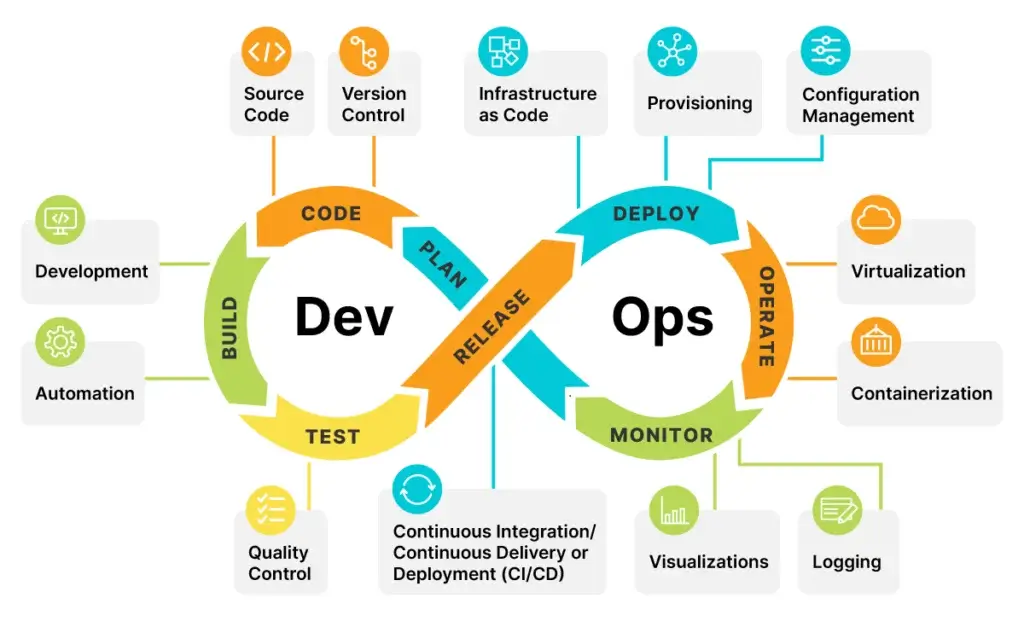
CI/CD should make releases boring
As a product team grows, manual releases become harder to trust. More developers, more features, more environments, and more customers create more ways for small mistakes to become production incidents.
CI/CD is not automation for its own sake. It is a delivery system that helps teams ship changes quickly, safely, and repeatedly.
CI/CD is not automation for its own sake. It is a delivery system that helps teams ship changes quickly, safely, and repeatedly.
Automate the riskiest handoffs first
Start with the points where work changes hands:
- Code moves from a branch into review.
- A feature moves from development to staging.
- A release moves from staging to production.
- A production issue moves into rollback or hotfix mode.
The first CI/CD automations to add
Most growing teams should prioritize:
- Build validation: every pull request should prove the app builds and the main packages still compile.
- Fast automated tests: run unit, API, and critical workflow tests where they can catch defects early.
- Preview environments: let product, QA, and stakeholders test changes before they merge.
- Repeatable deployments: remove manual production steps that depend on memory, timing, or one engineer.
- Rollback and monitoring: know how to detect trouble and restore service quickly.
Do not overbuild the platform too early
A small team does not always need a complex internal platform, multi-cluster Kubernetes setup, or every possible release strategy. It needs a reliable path from code to production, good feedback loops, and enough automation to reduce avoidable release risk.
Add sophistication when the current process creates bottlenecks: frequent rollback pain, slow reviews, environment drift, fragile releases, poor observability, or compliance requirements.
Add sophistication when the current process creates bottlenecks: frequent rollback pain, slow reviews, environment drift, fragile releases, poor observability, or compliance requirements.
Measure delivery health
DORA describes continuous delivery as the ability to release changes quickly, safely, and sustainably. For a growing team, useful signals include lead time, deployment frequency, change failure rate, recovery time, flaky test rate, and how often releases need manual intervention.
These metrics should guide improvement. If releases are slow because tests are unreliable, fix the tests. If incidents are hard to resolve, improve observability and rollback. If environments drift, automate infrastructure and configuration.
These metrics should guide improvement. If releases are slow because tests are unreliable, fix the tests. If incidents are hard to resolve, improve observability and rollback. If environments drift, automate infrastructure and configuration.
How Innvente can help
Innvente helps product teams design CI/CD pipelines, cloud environments, Kubernetes platforms, Terraform workflows, automated test gates, observability, and release processes that fit the team's current stage.
Explore our cloud solutions, read when Kubernetes helps, or book a DevOps review.
Explore our cloud solutions, read when Kubernetes helps, or book a DevOps review.
References
Useful delivery references: DORA's continuous delivery capability and capability catalog.
Share on :