Kubernetes Is Not the Goal
by
-
8 minutes read
-
June 26, 2026
The goal is reliable delivery
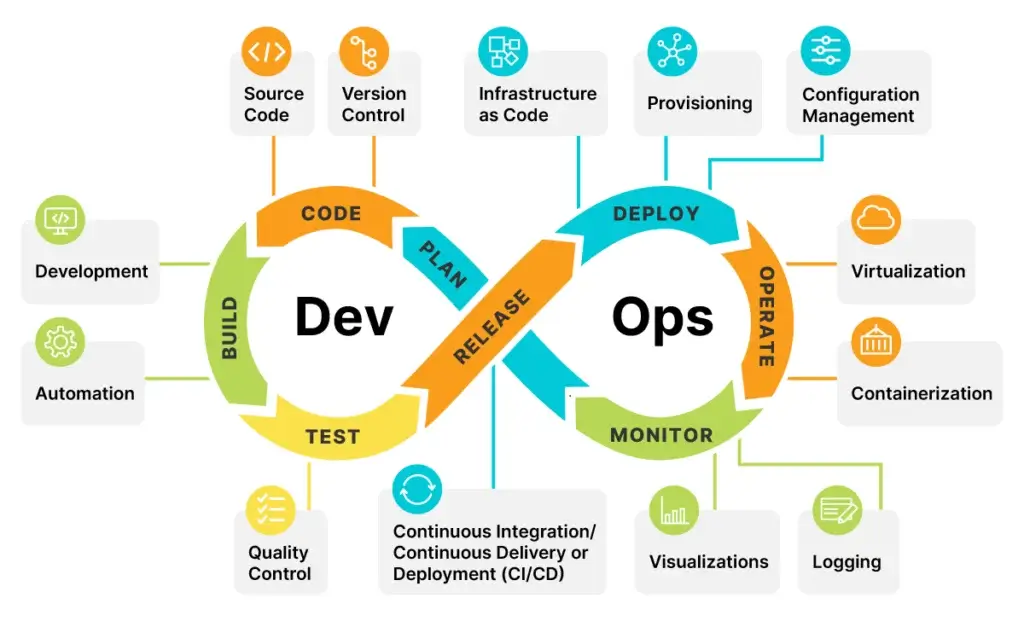
Kubernetes can be a powerful foundation, but it is not the goal. The goal is reliable delivery: teams should be able to ship changes, recover from issues, understand system health, manage infrastructure safely, and keep operating costs visible.
Platform engineering is the practice of creating that foundation. It may include Kubernetes, Terraform, CI/CD, GitOps, observability, policy, secrets management, and cloud cost controls. But the tools only matter when they make product delivery safer and faster.
Platform engineering is the practice of creating that foundation. It may include Kubernetes, Terraform, CI/CD, GitOps, observability, policy, secrets management, and cloud cost controls. But the tools only matter when they make product delivery safer and faster.
Signs your product needs platform engineering
You may not need a full platform team on day one. You probably do need stronger platform work when:
- Deployments are stressful or require too many manual steps.
- Production incidents are hard to diagnose.
- Environments behave differently from one another.
- Cloud costs are rising but nobody knows why.
- Engineers avoid releases because rollback is unclear.
- Security and access controls are inconsistent.
- New services take too long to provision.
When Kubernetes helps
Kubernetes makes sense when your product has multiple services, needs consistent deployment patterns, expects variable traffic, or requires stronger control over scheduling, scaling, and environment consistency. It can also help teams standardize service operations across cloud providers.
It is less useful when the product is small, the team is not ready to operate it, or managed platform services would solve the problem with less complexity. Good platform decisions are honest about operational cost.
It is less useful when the product is small, the team is not ready to operate it, or managed platform services would solve the problem with less complexity. Good platform decisions are honest about operational cost.
Terraform and CI/CD are often the first wins
Many teams benefit from infrastructure as code before they need a more complex orchestration layer. Terraform can make environments reviewable, repeatable, and easier to recover. CI/CD can make releases predictable and reduce manual mistakes.
If your deployment process is fragile, start by mapping the release path. Identify manual steps, missing checks, secrets handling, rollback gaps, and environment drift. Those problems often create more risk than the application code itself.
If your deployment process is fragile, start by mapping the release path. Identify manual steps, missing checks, secrets handling, rollback gaps, and environment drift. Those problems often create more risk than the application code itself.
What a practical platform roadmap includes
A useful platform roadmap should include:
- Deployment reliability: repeatable releases, rollback, and clear ownership.
- Infrastructure consistency: versioned infrastructure changes and environment parity.
- Observability: logs, metrics, traces, alerts, and dashboards that answer real operational questions.
- Security controls: secrets, access, network boundaries, and policy where it matters.
- Cost visibility: cloud usage tracking and decisions that balance performance with spend.
How Innvente can help
Innvente designs cloud and DevOps foundations around product outcomes. We help teams choose the right level of Kubernetes, Terraform, CI/CD, observability, automation, and operations support for the stage they are actually in.
Review our cloud solutions, read how we approach delivery, or book a cloud readiness review.
Review our cloud solutions, read how we approach delivery, or book a cloud readiness review.
Bottom line
Do not adopt Kubernetes because it sounds modern. Adopt platform engineering because your team needs safer releases, clearer operations, stronger automation, and infrastructure that supports product growth.
Share on :